
There is a quiet belief that solo pleasure is what you do when you do not have a partner. Flip that around and it becomes much more useful: solo play is the laboratory where you learn what your body likes, so that every future encounter — alone or shared — starts from knowledge instead of guesswork. Here is how to make it a genuinely healthy ritual with a good multi-mode wand.
Give it space on purpose
The biggest upgrade is treating solo time as scheduled, not stolen. Set aside twenty minutes, lock the door, and remove the pressure to finish quickly. A leisurely start changes the quality of the session completely. Light, music and clean sheets all signal to your nervous system that this is a care ritual, not a secret.
Learn one thing each session
Make each session an experiment with a single question: does this speed work? this angle? this toy? You are building a map of your own response, and the map is the real prize. If you take nothing else from a session, take one data point about pressure, pace or placement. Over a month of solo practice, most people double what they know about their own arousal.
Choose tools that fit the ritual
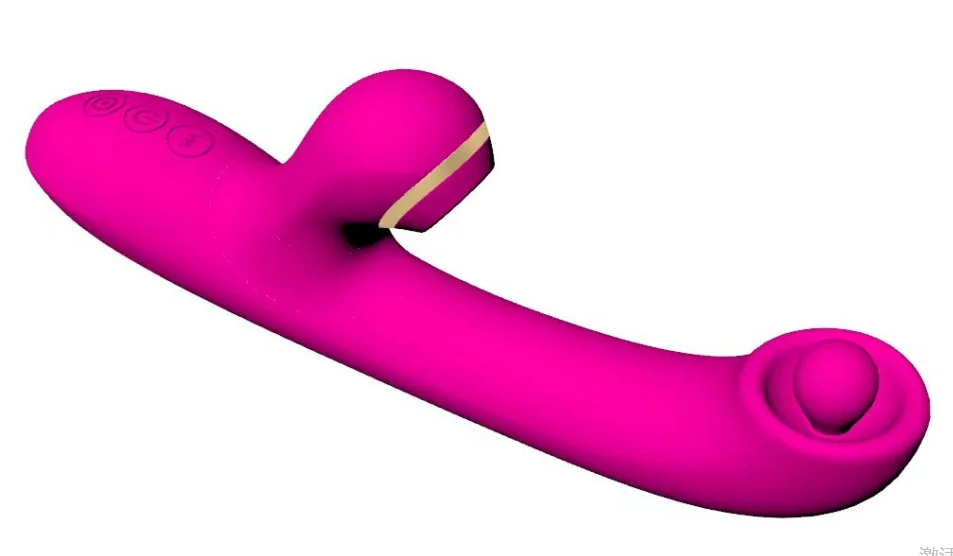
For unhurried self-discovery, one adjustable wand beats a drawer of gadgets. The VQ012 gives you suction, rotation and vibration on one 225 mm wand — three ways to explore without reaching for a second toy. If you prefer hands-free pacing, the TD010 straps on and leaves both hands free to guide your hips; the ZQ009 is the quiet, entry-level option to start the habit with.
Drop the guilt, keep the pleasure
Solo pleasure is health practice: it relieves tension, improves sleep and normalizes your own desires so you can communicate them honestly later. It is not taking anything away from a partner or a relationship. If you notice guilt creeping in, name it and let it pass — the people who benefit most from a healthy solo life are the partners they eventually share it with. Make the practice guilt-free and it stops feeling like a secret and starts feeling like self-care.
Browse the luxury wand range to find the mode set that fits your style.
Keep reading: at-home rituals for couples and talking to a partner about toys go deeper on this topic.
Frequently asked questions
What counts as solo self-care?
Anything you do deliberately for your own rest, health or pleasure – including time for intimacy. The point is intention rather than a fixed list of activities.
How often is healthy?
There is no medical norm. What matters is that it feels comfortable, does not displace sleep or obligations, and is not driven by stress or compulsion.
Do I need toys for solo self-care?
No. Toys are an option, not a requirement – they help some people explore sensation more easily, but the routine matters more than the equipment.
 PQ013 Multi-Mode Massager / Vibrator – Rechargeable Wand Original price was: $132.00.$88.00Current price is: $88.00.
 QN011 Multi-Mode Massager / Vibrator – Rechargeable Wand Original price was: $141.00.$94.00Current price is: $94.00.
 LJ008 Multi-Mode Massager / Vibrator – Rechargeable Wand Original price was: $123.00.$82.00Current price is: $82.00.