
“Body-safe” is a marketing term more than a technical one. What it usually means is that a material is free of harmful additives, does not leach, and can be cleaned effectively. Those three things vary a lot between materials that look identical in a product photo.
This guide explains what each common material actually is and how to choose.
Platinum-cure silicone is the safest general-purpose material for anything inserted or used on mucous membranes. It is non-porous, odourless, phthalate-free and can be sanitised thoroughly. Quality TPE is acceptable for external and lightly-used toys but is porous and needs more careful cleaning and earlier replacement. Unlabelled “jelly” and soft PVC are the materials to avoid.
The three things that actually matter
- Porosity. Non-porous surfaces cannot absorb moisture, oil or micro-organisms. Porous ones can, and no amount of washing fully removes what has soaked in.
- Additives. Some soft plastics historically used phthalates as plasticisers. Phthalates have been restricted in many consumer products, and reputable toy manufacturers now avoid them.
- Cleanability. A material that cannot be washed properly becomes a problem regardless of what it is made of.
Material comparison at a glance
| Material | Porous? | Phthalate risk | Cleanability | Typical use |
|---|---|---|---|---|
| Platinum-cure silicone | No | None | Excellent | Insertables, wands, dolls, strokers |
| TPE / TPR | Yes | Low in reputable brands | Good with care | Dolls, torsos, sleeves, strokers |
| PVC / jelly | Yes | Higher risk in unbranded goods | Poor | Avoid |
| ABS plastic | No | None | Excellent | Handles, housings, rigid toys |
| Borosilicate glass | No | None | Excellent | Rigid insertables |
| Stainless steel | No | None | Excellent | Rigid insertables, weights |
Platinum silicone
Platinum-cure (addition-cure) silicone is the reference standard. It cures without byproducts, is odourless, is non-porous, holds its shape, resists staining and can be washed with soap and warm water or sanitised with a toy cleaner.
It costs more because the curing process is slower and the raw material is expensive. That cost is the reason a real silicone insertable rarely sells for under about $35.
Two practical notes:
- Use water-based lubricant. Silicone lubricant can soften silicone over repeated contact.
- Silicone does not mean unbreakable. Sharp folds and stored tension can cause cracks at joints on large pieces.
Liquid silicone insertables
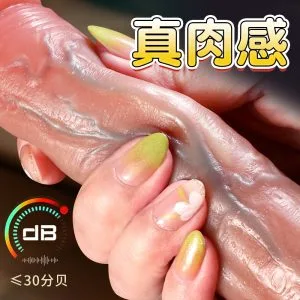 LM-01 Manual Realistic Liquid Silicone Dildo – Handheld Silicone-Core DildoLiquid silicone – $21 Original price was: $31.50.$21.00Current price is: $21.00.View →
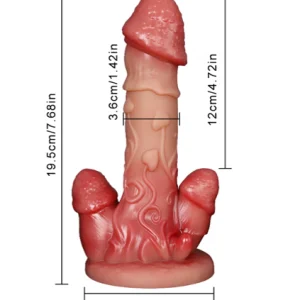 LM-324 Realistic Liquid Silicone Dildo – Handheld Silicone-Core DildoLiquid silicone – $30 Original price was: $45.00.$30.00Current price is: $30.00.View →
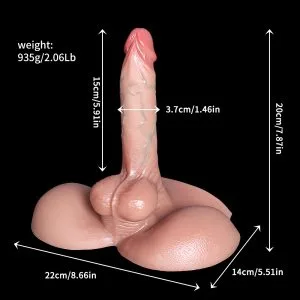 LM-326 Realistic Liquid Silicone Dildo – Handheld Silicone-Core DildoLiquid silicone – $63 Original price was: $94.50.$63.00Current price is: $63.00.View →
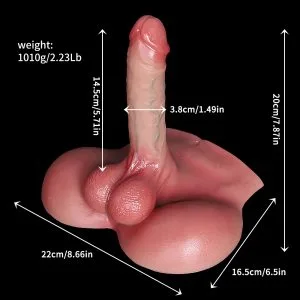 LM-327 Realistic Liquid Silicone Dildo – Handheld Silicone-Core DildoLiquid silicone – $69 Original price was: $103.50.$69.00Current price is: $69.00.View →
TPE and TPR
TPE (thermoplastic elastomer) and TPR (thermoplastic rubber) are blends of polymer with mineral oil. They are soft, warm to the touch, cheap to mould and used for almost every torso doll and most sleeves on the market.
They are not inherently unsafe – reputable manufacturers use phthalate-free formulations – but they are porous. That means:
- moisture and bacteria can sit in the surface, so drying completely matters more;
- oils migrate out over time, so the surface needs re-powdering;
- the useful life is shorter than silicone.
For external use and short sessions, TPE is a reasonable trade-off. For anything inserted repeatedly, silicone is the better choice.

PVC, jelly and soft plastic
This is the category to be cautious about. “Jelly” is not a material – it is a marketing word for a very soft, often PVC-based compound. Unbranded soft toys in this bracket are the most likely to contain restricted plasticisers, and they are porous and hard to clean.
Rigid materials: glass, steel, ABS
Non-porous rigid materials are easy to clean and do not absorb anything:
- Borosilicate glass – can be washed in hot water, holds temperature, and is very smooth.
- Stainless steel – durable and easy to sanitise, heavier.
- ABS plastic – common for handles and housings; body-safe but rigid.
Sanitising and sharing
| Question | Silicone | TPE | Rigid (glass / steel) |
|---|---|---|---|
| Can I boil it? | Usually yes, briefly | No | Yes |
| Can I share without a condom after cleaning? | Yes | Not recommended | Yes |
| Holds smell? | No | Sometimes | No |
| Lifespan | 5+ years | 1-3 years | Indefinite |
| Lube compatibility | Water-based | Water-based | Any |
Phthalates and why they matter
Phthalates are plasticisers used to make hard PVC flexible. Several have been restricted in consumer products in the EU and US because of concerns about long-term exposure.
In practice, the risk from a sex toy is low if the toy is properly labelled and from a reputable brand – but the category is poorly regulated, which is why material transparency matters more than any single claim on a box.
What to look for on a listing:
- the material named explicitly (“platinum-cure silicone”, “TPE”);
- a statement that it is phthalate-free;
- a manufacturer or brand name that can be looked up.
How to check what you bought
Home tests are indicative, not definitive:
Practical clues
| Clue | Suggests silicone | Suggests TPE / PVC |
|---|---|---|
| Smell | Odourless | Chemical or plastic smell |
| Price | Higher for insertables | Very low prices |
| Surface | Dry, smooth | Oily or tacky feel |
| Lint | Does not attract hair | Attracts dust and lint |
| Heat | Warms quickly, cools quickly | Holds warmth longer |
Frequently asked questions
Is TPE body-safe?
Yes, when made without phthalates and used correctly. TPE is porous, so it traps moisture and bacteria more than silicone and needs more careful cleaning and a shorter replacement cycle.
How can I tell if a toy is real silicone?
Price, smell and heat are the practical clues. Platinum-cure silicone is odourless, does not hold temperature long, and rarely sells under about $35 for an insertable. No home test is definitive.
What is the safest material for a sex toy?
Platinum-cure silicone, then medical-grade silicone blends, then quality TPE. For rigid toys, borosilicate glass, stainless steel and body-safe ABS plastic are also safe.
Are porous toys dangerous?
Not automatically, but they are harder to sanitise. They need thorough drying, regular replacement, and should not be shared without a condom.
LM-327 Realistic Liquid Silicone Dildo – Handheld Silicone-Core Dildo Original price was: $103.50.$69.00Current price is: $69.00.LM-326 Realistic Liquid Silicone Dildo – Handheld Silicone-Core Dildo Original price was: $94.50.$63.00Current price is: $63.00.LM-324 Realistic Liquid Silicone Dildo – Handheld Silicone-Core Dildo Original price was: $45.00.$30.00Current price is: $30.00.