
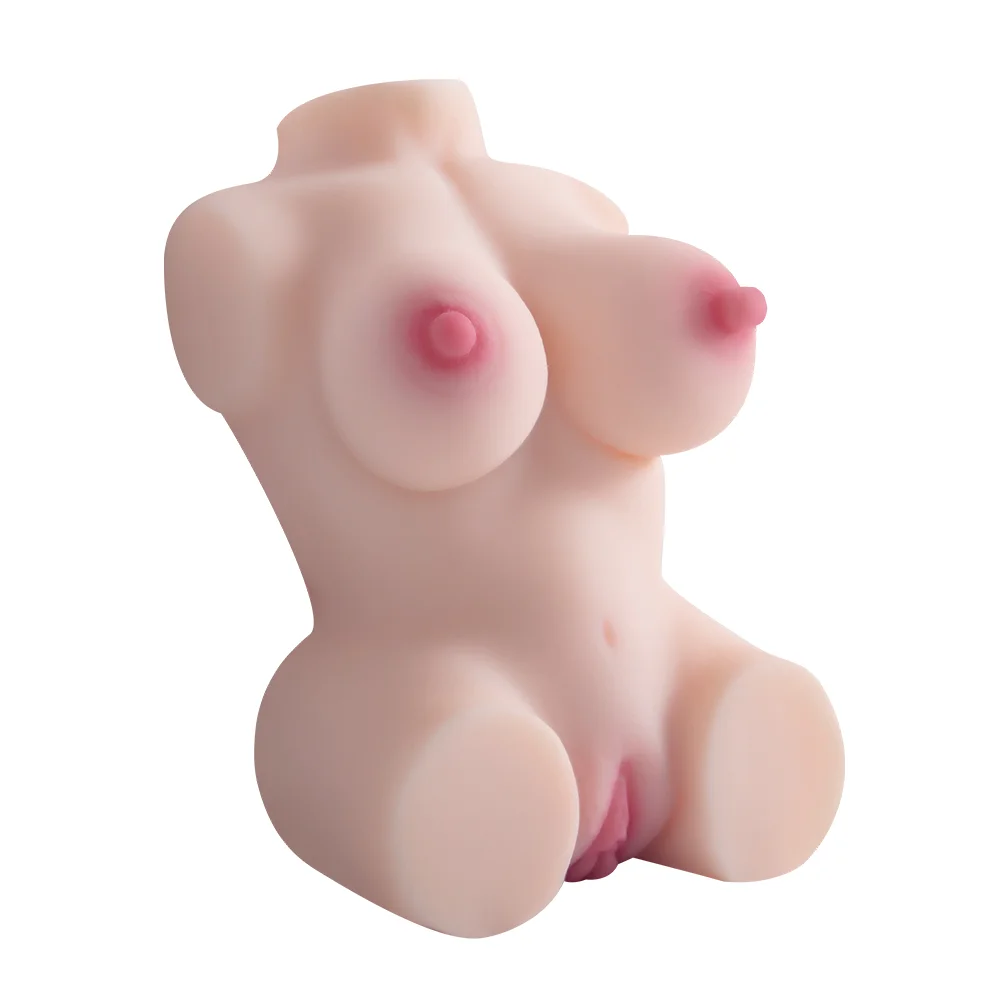
Lubricant is the cheapest upgrade you can make to a session, and also the easiest to get wrong. The golden rule is short: if your toy is made of TPE or silicone, use water-based lube only. That rule matters most for the TPE hips and torsos in KeHarbor’s half-body range, and for the silicone wands in the wand range.
The material safety rule
Silicone-based lubes bond with silicone and soften TPE. On a silicone wand or a TPE torso, the lubricant literally starts dissolving the surface layer — it turns sticky, swells and shortens the toy’s life. This is not a quality problem with either product; it is a chemistry problem. Silicone lube is fine on the body, glass, metal and hard ABS, but the moment a TPE or silicone toy is involved, it is out.
When water-based is the right call
Water-based formulas are safe with every material we sell, which makes them the default for any collection that mixes TPE hips, torsos and silicone wands. A clean, glycerin-free water-based lube with no flavorings or harsh preservatives is the most skin-friendly choice for sensitive users.
Water-based lube does have one weakness — it dries out faster than silicone lube. The fix is not to buy thicker, but to add a drop of water to reactivate it. Keep a small spray bottle near the bed for longer sessions.
When people choose silicone lube anyway
Silicone lube is genuinely better in two cases: body-only play (nothing made of silicone or TPE in contact), and underwater sessions where water-based washes away almost immediately. If you use it around a toy, test a tiny amount on an inconspicuous spot first. Shower use is where most people learn this rule the hard way.
What else to look for
- pH balance: choose a formula close to the body’s natural pH if you are prone to irritation.
- No glycerin for users sensitive to yeast overgrowth.
- No warming or cooling additives on your first bottle — plain is kinder to sensitive skin.
- Water-soluble labeling means easier cleanup from sheets and skin.
One good water-based bottle covers every toy you own. When in doubt, check the toy’s care notes and err on the side of water-based. The half-body & hip range and the wand range both list the recommended lube type on every product page.
Keep reading: TPE vs silicone materials and the after-session cleaning routine go deeper on this topic.
Frequently asked questions
Is silicone lubricant safe on TPE dolls?
No. Silicone-based lubricant can soften and degrade TPE over time. Water-based lubricant is the safe choice for TPE dolls, hips and torsos.
Is silicone lubricant safe on silicone toys?
It is generally fine on fully cured, high-quality silicone, but avoid it on TPE and on any toy where the material is unclear.
How much lubricant should I use?
Start with a small amount and add more as needed. Reapplying a little at a time works better than over-applying, and everything should be washed off afterwards.
 170 Male Model Realistic Male Torso Doll 48.5kg – Firm Body with Dildo Original price was: CA$5,331.18.CA$3,554.12Current price is: CA$3,554.12.
 170 Silicone Male Model Realistic Male Torso Doll 42.0kg – Firm Body with Dildo Original price was: CA$7,991.48.CA$5,327.65Current price is: CA$5,327.65.
 HTM2120 Realistic Silicone Half-Body Doll 21.2kg – Lifelike Torso with Inner Skeleton Original price was: CA$5,331.18.CA$3,554.12Current price is: CA$3,554.12.